FAQ

check frequency asked question

Do you have any inquires ? check our FAQ

What is tile adhesive used for?

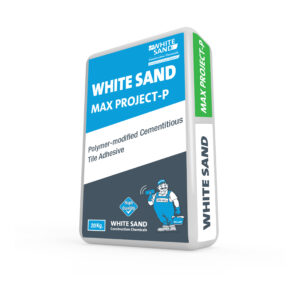
Tile adhesive is a cement-based bonding material used to securely fix tiles to walls and floors. It provides stronger adhesion, better flexibility, and longer-lasting performance compared to traditional cement and sand mix.

Is tile adhesive better than cement for fixing tiles?

Yes. Tile adhesive is better than cement because it offers higher bonding strength, reduced tile slippage, improved durability, and consistent quality. Cement and sand mixes often fail due to shrinkage and poor adhesion.

Why do tiles come loose or pop after installation?

Tiles usually pop or detach due to incorrect adhesive type, poor surface preparation, insufficient adhesive coverage, or using cement instead of tile adhesive.

Can tile adhesive be used on walls and floors?

Yes. Tile adhesive is designed for both wall and floor applications. Wall adhesives are non-slip, while floor adhesives are formulated to handle load and foot traffic.

Is tile adhesive suitable for large-format tiles?

Yes. Large tiles require high-performance or flexible tile adhesive to prevent hollow spots, cracking, and debonding caused by movement or temperature changes.

Can tile adhesive be used in wet areas?

Yes. Tile adhesive is suitable for bathrooms, kitchens, and balconies when a polymer-modified waterproof grade is used.

Does tile adhesive need water curing?

No. Tile adhesive cures chemically and does not require water curing like traditional cement mortar.

How long does tile adhesive take to set?

Initial setting takes 6–8 hours, light use is possible after 24 hours, and full strength is achieved after 7 days depending on site conditions.

What causes hollow sound under tiles?

A hollow sound occurs when tile adhesive coverage is insufficient or uneven, allowing air pockets to form beneath the tile.

How much tile adhesive is needed per square meter?

On average, tile adhesive consumption is 4–5 kg per square meter depending on tile size, surface condition, and trowel notch size.

Tile Adhesive & Wall Coat

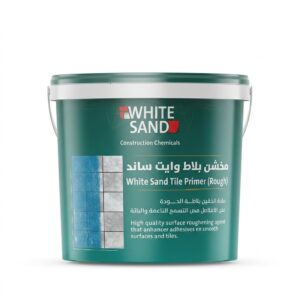
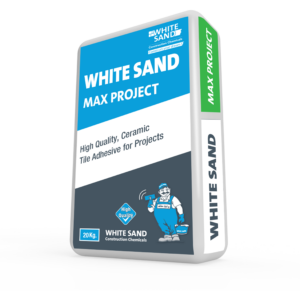
TILE ADHESIVE 

What is a wall putty?

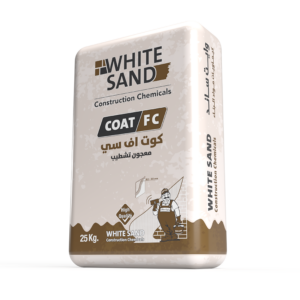
Wall putty, also known as skim coat, is a cement-based finishing material applied over plastered walls and ceiling to create a smooth, uniform surface before painting.

Why is a wall putty necessary before painting?

Wall putty improves paint adhesion, reduces surface defects, prevents pinholes and micro cracks, and enhances the final paint appearance.

Can wall putty be applied on concrete or old plaster?

Yes. Wall putty can be applied directly on concrete and cement plaster after proper surface cleaning and preparation.

Can wall putty be used for exterior walls?

Yes. Cement-based wall putty is suitable for exterior walls and helps protect against moisture, weather changes, and paint failure.

How thick should the wall putty be applied?

Wall putty should be applied in thin layers of 1–3 mm. Applying thicker layers can cause cracking or surface weakness.

How long should the wall putty dry before painting?

Wall putty should dry for at least 24 hours. For best results, wait 48–72 hours before applying paint.

Does wall putty prevent wall cracks?

Wall putty helps reduce micro cracks and surface imperfections but does not repair structural cracks, which must be treated separately.

Why does paint peel even after wall putty?

Paint peeling happens due to trapped moisture, poor wall putty quality, painting before full drying, or inadequate surface preparation.

How much wall putty is required per square meter?

Typical consumption is 1.5–2 kg per square meter per coat, depending on wall condition and application technique.

WALL PUTTY/ SKIM COAT

Shopping Cart

No products in the cart.