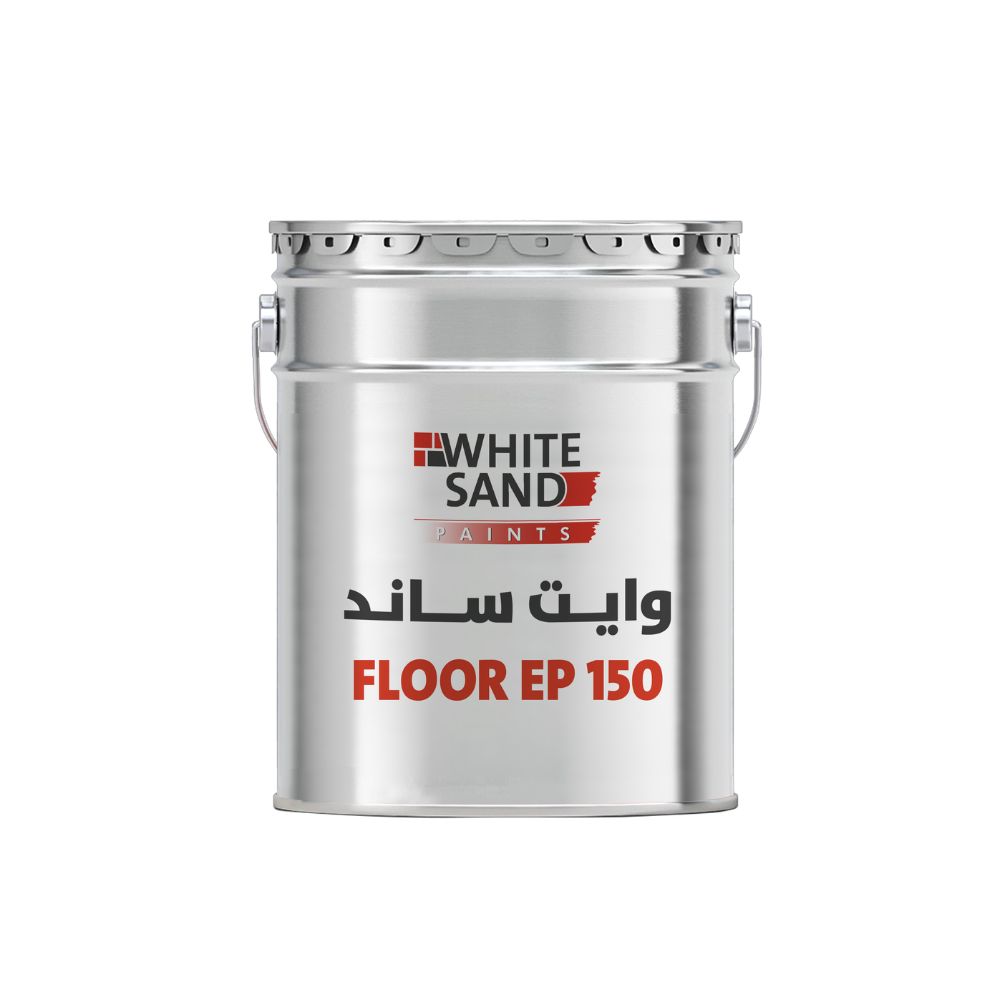
Uses
- Protective coating for potable-water tanks.
- Protection of concrete and steel water-retaining structures.
- Protective lining for industrial tanks exposed to aggressive chemical conditions.
- Coating for concrete floors and walls.
- Protection of reinforced-concrete structures.
- Protection of metallic structures.
- Protective coating for process plants and sewage works.
- Protection of water-treatment stations.
- Protective lining for silos and food-storage reservoirs.
- Suitable for internal wall and floor applications requiring a smooth, cleanable finish.
Advantages
- Two-component solvent-free epoxy coating.
- 100% solid content.
- Suitable for high-build applications.
- Excellent resistance to abrasion.
- Resistant to a range of chemicals after full curing.
- Suitable for concrete and properly prepared steel.
- Self-priming on suitable properly prepared substrates.
- Smooth, seamless and easy-to-clean finish.
- Thixotropic, slump-free consistency.
- Forms a continuous dust-resistant protective membrane.
- Available in blue and white.
- Factory-proportioned components for consistent mixing.
Substrate Preparation
The substrate must be structurally sound, clean and free from dust, oil, grease, old coatings, curing compounds and any foreign materials that may reduce adhesion.
Use suitable mechanical preparation methods such as grinding, sandblasting, grit blasting or another approved method to remove existing coatings and surface treatments.
Repair all cracks, spalled concrete and defective areas using a suitable WHITE SAND concrete repair system.
Repair blowholes, pinholes and minor surface imperfections using WHITE SAND EPF 50 epoxy putty.
Steel substrates must be grit-blasted to remove rust, mill scale and contamination, followed by the application of a compatible primer where required.
Priming
EP 150 is formulated for self-priming application on suitable, correctly prepared substrates.
For highly porous concrete, apply WHITE SAND PRIME EP 100 epoxy primer before applying EP 150.
Mixing
- Ensure that the substrate, tools and application equipment are ready before mixing because the product has a limited pot life.
- Mix complete factory-proportioned packs only.
- Pour the entire contents of the hardener component into the base component.
- Mix using a slow-speed electric mixer fitted with a suitable mixing paddle.
- Continue mixing for approximately 2-3 minutes until completely homogeneous.
- Avoid introducing excessive air into the mixture.
- Scrape the sides and bottom of the container at least once during mixing.
- Continue mixing until the color and consistency are completely uniform.
- Do not divide the packs or alter the factory-proportioned mixing ratio.
Application
- Apply the mixed EP 150 uniformly to the prepared substrate.
- Use a short-nap mohair roller, suitable brush or airless-spray equipment.
- Apply each coat at a recommended dry-film thickness of approximately 200 microns.
- Ensure uniform coverage without pinholes, missed areas, ponding or excessive material build-up.
- Apply two coats to achieve a total recommended thickness of approximately 400 microns.
- Allow the first coat to dry before applying the second coat.
- Apply the second coat within the stated recoating interval of 8-24 hours at 23°C.
- Provide adequate ventilation to support proper drying and curing.
- Protect the coating from water, chemicals, contamination and mechanical damage until fully cured.
- Allow at least seven days at 23°C before placing the coating into full service.
Yield and Coverage
The TDS states an approximate coverage of 5 m²/kg per coat at a film thickness of approximately 200 microns.
The stated coverage is approximate and must be confirmed by a site trial. Actual consumption depends on substrate porosity, surface profile, application method, film thickness and material wastage.
Cleaning
Clean tools and mixing equipment using WHITE SAND SOLV 10 before the material hardens. Fully cured material can only be removed mechanically.
Storage and Shelf Life
The components of EP 150 have a minimum shelf life of 12 months when stored in unopened and undamaged original packaging under dry warehouse conditions.
Storage at elevated temperatures or high humidity may reduce the product’s shelf life.
Packaging
- Base component: 12 kg.
- Hardener component: 3 kg.
- Total factory-proportioned pack: 15 kg.
Health and Safety
- The two components are non-flammable.
- Avoid contact with the skin and eyes and prolonged inhalation of vapors.
- Some individuals may be sensitive to epoxy resin and hardeners.
- Wear suitable protective gloves, safety goggles and barrier cream.
- Ensure adequate ventilation during mixing and application.
- Use suitable respiratory protection when working in enclosed spaces.
- Remove uncured material from the skin using resin-removing cream or soap and water. Do not use solvent.
- In case of eye contact, rinse with plenty of clean water and seek medical advice.
- If swallowed, obtain immediate medical attention and do not induce vomiting.
- Do not dispose of the product in water or soil. Follow applicable local disposal regulations.
Quality and Technical Support
WHITE SAND products are developed and manufactured under a quality-oriented product-development process and an independently certified quality management system.
WHITE SAND provides technical assistance regarding substrate assessment, surface preparation, primer selection, epoxy-coating application, film thickness and curing requirements.