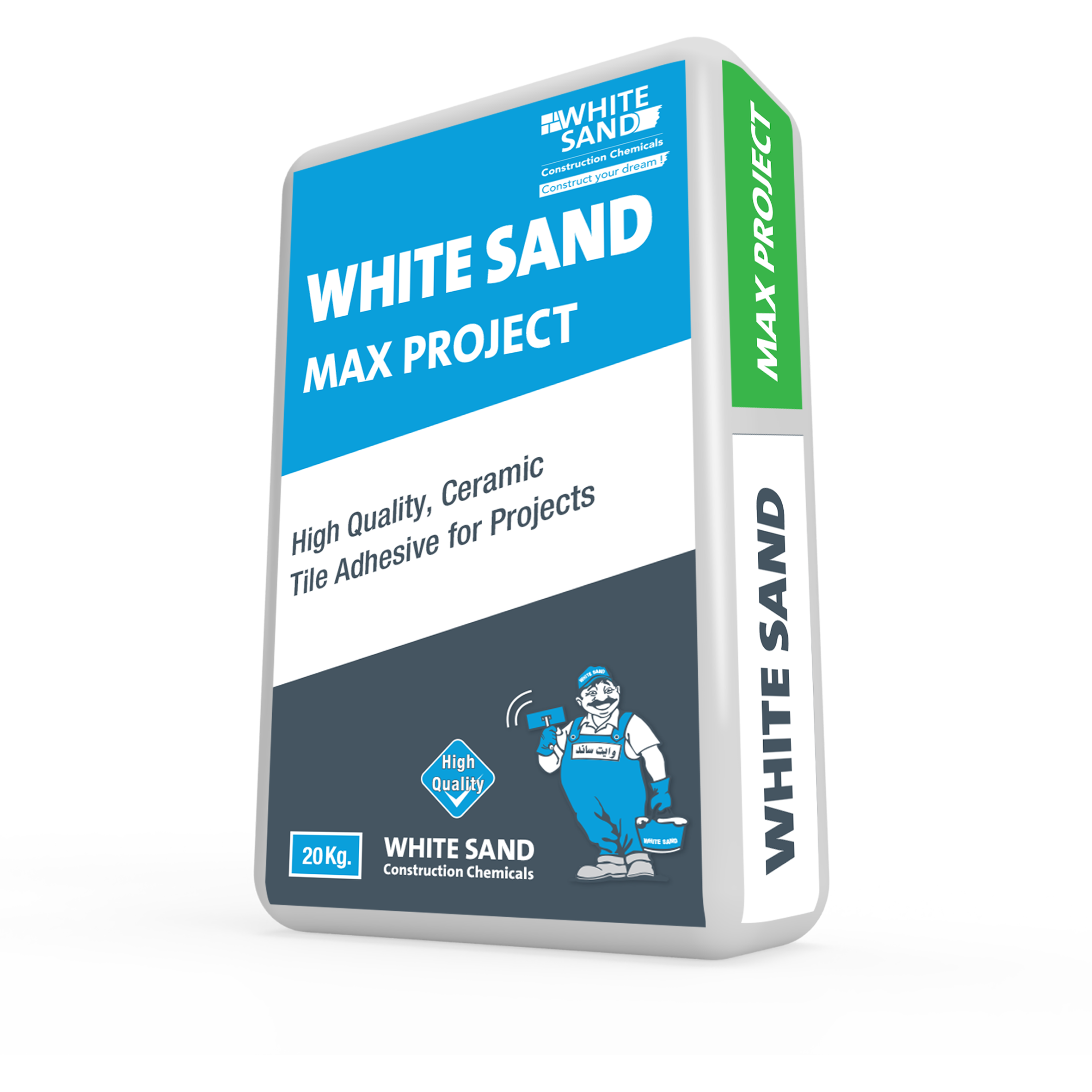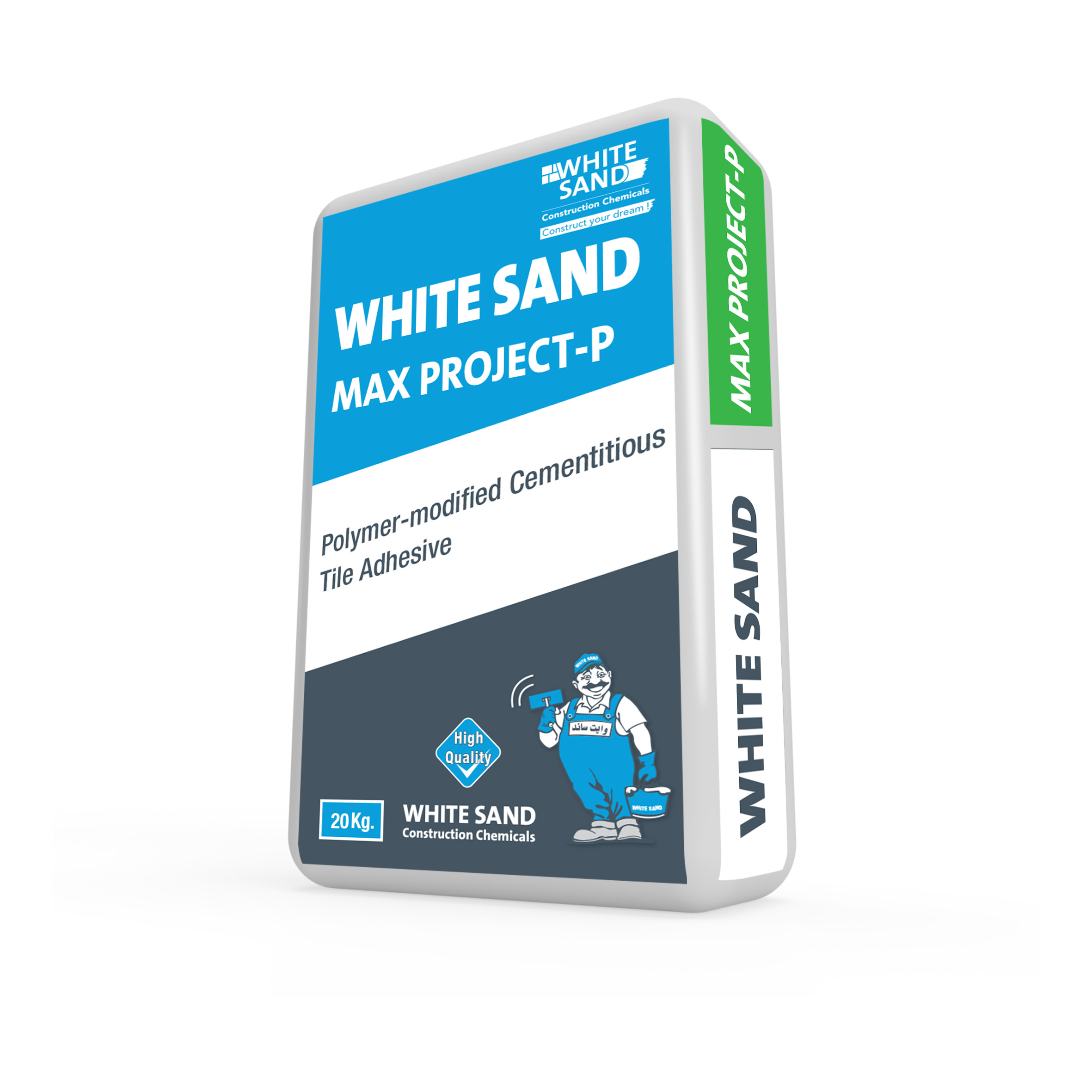
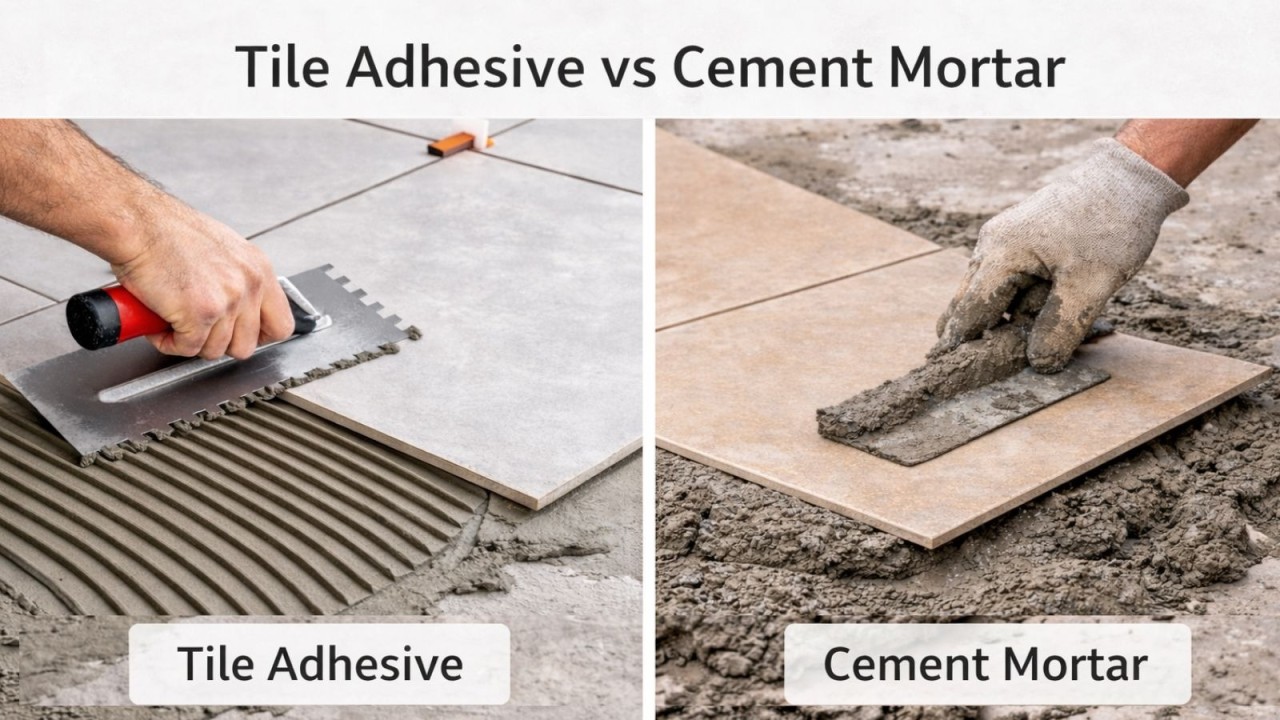
في مشاريع البناء الحديثة في المملكة العربية السعودية ومنطقة الخليج، تطورت طرق تركيب البلاط بشكل كبير. ففي السابق، كانت المونة الأسمنتية هي المادة الأساسية المستخدمة لتثبيت البلاط. أما اليوم، ومع تطور الكيماويات الإنشائية، أصبح لاصق البلاط الخيار المفضل للمقاولين والمطورين وفنيي التبليط.
إن فهم الفرق بين لاصق البلاط والمونة الأسمنتية أمر ضروري لاختيار المادة المناسبة من حيث المتانة والكفاءة والأداء طويل الأمد.
ما هو لاصق البلاط؟
لاصق البلاط هو مادة كيميائية إنشائية مصممة خصيصًا لربط البلاط بالأسطح مثل الخرسانة، اللياسة، السكريد، أو حتى فوق البلاط القديم.
ويتكون عادةً من:
- الأسمنت
- الرمل المتدرج
- إضافات بوليمرية
- محسّنات أداء
تساهم هذه الإضافات بشكل كبير في تحسين قوة الالتصاق والمرونة ومقاومة الماء.
يتم تطبيق لاصق البلاط باستخدام مشط التبليط، مما يضمن تكوين طبقة متجانسة تساعد على تثبيت البلاط بشكل دقيق وقوي.
أهم مزايا لاصق البلاط
1. قوة التصاق عالية
يوفر لاصق البلاط قوة ربط أعلى بكثير مقارنة بالمونة التقليدية، مما يقلل من خطر انفصال البلاط.
2. سرعة في التركيب
بفضل سهولة خلطه وتطبيقه، يساهم اللاصق في تسريع عملية التركيب بشكل ملحوظ.
3. تقليل سماكة الطبقة
عادةً ما يحتاج لاصق البلاط إلى سماكة تتراوح بين 3–5 مم فقط، بينما قد تتجاوز سماكة المونة 20 مم.
4. مناسب للبلاط الحديث
البلاط كبير الحجم، والبورسلان، والرخام، والجرانيت تتطلب مواد لاصقة عالية الأداء لا تستطيع المونة التقليدية توفيرها.
5. مقاومة أفضل للماء
تم تصميم العديد من أنواع لاصق البلاط لتحمل الرطوبة والمياه، مما يجعلها مثالية للحمامات والمطابخ وأحواض السباحة.
ما هي المونة الأسمنتية؟
المونة الأسمنتية هي الخليط التقليدي المكون من:
- الأسمنت
- الرمل
- الماء
وقد استُخدمت لعقود طويلة في تركيب البلاط عبر إنشاء طبقة سميكة يتم تثبيت البلاط فوقها.
في هذه الطريقة، يتم ضغط البلاط داخل طبقة المونة الرطبة.
عيوب المونة الأسمنتية
رغم استخدامها الواسع في أساليب البناء التقليدية، إلا أن لها عدة سلبيات، منها:
- ضعف قوة الالتصاق
- احتمالية ظهور الفراغات تحت البلاط
- استهلاك أكبر للمواد
- وقت جفاف أطول
- غير مناسبة للبلاط كبير الحجم
وفي المناخات الحارة مثل السعودية، قد تتعرض المونة للانكماش أثناء الجفاف، مما يؤدي إلى تشقق البلاط أو انفصاله.
لاصق البلاط مقابل المونة الأسمنتية: الفروقات الأساسية

وبسبب هذه المزايا، أصبحت معظم معايير البناء الحديثة توصي باستخدام لاصق البلاط بدلاً من المونة التقليدية. tile adhesives instead of traditional mortar.
لماذا تهيمن لواصق البلاط على المشاريع الحديثة؟
تعتمد المشاريع الكبرى في السعودية — بما في ذلك الفلل السكنية والفنادق والمباني التجارية — بشكل متزايد على لواصق البلاط في أعمال التركيب.
ومن أبرز الأسباب:
- سرعة إنجاز المشاريع
- متانة أعلى
- تقليل احتياجات الصيانة وأعمال الإصلاح المتكررة
- التوافق مع البلاط كبير الحجم
كما أن لواصق البلاط مصممة لتحمل التغيرات الحرارية الشائعة في مناخ الشرق الأوسط.
اختيار لاصق البلاط المناسب
ليست جميع أنواع لاصق البلاط متشابهة، بل يتم تصنيفها إلى درجات مختلفة مثل:
C1 – لاصق قياسي
مناسب للبلاط السيراميك الصغير والاستخدامات الداخلية.
C2 – لاصق عالي الأداء
يوصى به للبلاط البورسلان، والتطبيقات الخارجية، والتركيبات الثقيلة.
وفي مشاريع الرياض وجدة والدمام، يُفضّل غالبًا استخدام اللواصق عالية الأداء بسبب الظروف المناخية.
الخلاصة
رغم أن المونة الأسمنتية لعبت دورًا مهمًا في البناء التقليدي، إلا أن قطاع الإنشاءات اتجه اليوم نحو تقنية لواصق البلاط لما توفره من أداء واعتمادية أعلى.
توفر لواصق البلاط:
- قوة التصاق أكبر
- سرعة في التنفيذ
- متانة أفضل
- توافقًا مع البلاط الحديث
وبالنسبة للمقاولين والمطورين الذين يبحثون عن حلول تركيب طويلة الأمد، أصبح لاصق البلاط هو المعيار الاحترافي الحديث
✔ Looking for high-quality tile adhesive solutions in Saudi Arabia?
تواصل مع وايت ساند الآن:
📍 مقرنا في جدة – ونخدم جميع أنحاء المملكة العربية السعودية